
Putting you back in the driving seat during and after cancer treatment
Cancer can feel like an unexpected detour in life. Between appointments, treatments and side effects, it's easy to feel as though decisions are being made for you and that you've lost control of the journey ahead.
While there may be aspects of cancer treatment that are outside your control, there are still many things you can influence. Through specialist physiotherapy, exercise and rehabilitation in Weybridge and Woking, we help you focus on those areas, giving you the confidence, knowledge and support to play an active role in your recovery.
Whether you're preparing for treatment, recovering from surgery, rebuilding strength or managing ongoing side effects, our team will help you navigate the road ahead and continue doing the things that matter most to you. If you're recovering from a mastectomy, lumpectomy or breast reconstruction, see our page on physiotherapy after breast cancer surgery. If your treatment has involved orthopaedic surgery too, our post-operative physiotherapy service can support that side of your recovery as well.
Why should we be part of your cancer team?
Every cancer journey is different. Some people want to regain strength after surgery. Others are looking to manage fatigue, rebuild confidence, return to exercise or simply feel more like themselves again.
Our role is not only to help you manage the physical effects of cancer and its treatment, but also to help you regain confidence in your body and take ownership of the aspects of your health that you can control.
By supporting you throughout your journey, we can help you:
- Restore movement, function and strength
- Reduce pain, stiffness and muscular tension
- Recover from cancer surgery
- Optimise scar mobility, comfort and post-operative soft tissue changes
- Improve fitness and physical resilience, helping you return to the activities that matter most to you
- Manage cancer-related fatigue and improve energy levels
- Build confidence with exercise and activity
- Maintain independence and quality of life
We can help with:
Supporting people affected by cancer across Weybridge, Woking and the surrounding areas.
Why exercise matters during and after cancer treatment
Movement and exercise are now recognised as an important part of cancer care.
What does the research show?
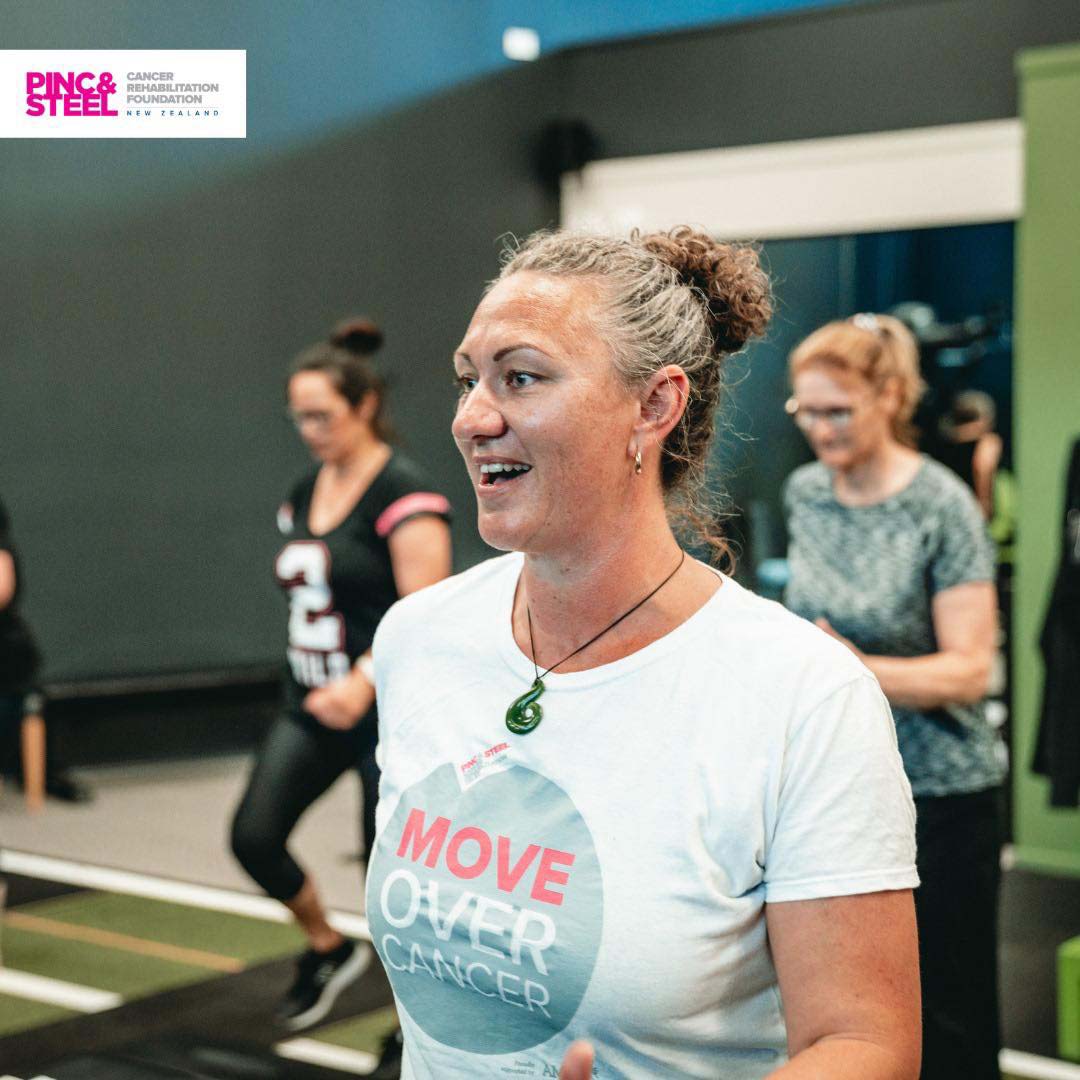
One of the most powerful things you can do during and after cancer treatment is keep moving.
Research consistently shows that appropriate exercise can help reduce cancer-related fatigue, improve strength and fitness, support emotional wellbeing and enhance quality of life.
Emerging research also suggests that being physically active after treatment may improve longer-term outcomes in some cancers, including reducing the risk of recurrence.
For many people, exercise also provides something equally valuable: a sense of control. While treatment plans are largely determined by your medical team, movement and rehabilitation allow you to take an active role in supporting your own recovery.
At Trinity Physiotherapy, we use the latest evidence to help you exercise safely and confidently, ensuring your rehabilitation is tailored to your diagnosis, treatment, symptoms and goals.
Research highlights
- Cancer-related fatigue: Exercise is one of the most effective ways to help reduce fatigue during and after treatment.
- Strength and fitness: A combination of aerobic and resistance exercise can help maintain muscle strength, cardiovascular fitness and independence.
- Quality of life: Exercise can support mood, sleep, confidence and overall wellbeing.
- Long-term health: Some studies suggest physical activity may reduce recurrence risk and improve survival in certain cancers.
Navigating the road ahead with confidence
Assessment
We take time to understand your cancer history, treatment, symptoms, movement, lifestyle and goals. This helps us create a plan that is safe, realistic and tailored to you.
Treatment
Your treatment may include hands-on physiotherapy, scar therapy, massage, joint mobilisation, personalised exercise prescription and advice to support your recovery.
Self-management plan
You will leave with a clear plan to help you progress confidently between sessions and continue building strength, movement and independence.
Oncology Physiotherapy FAQs
What is oncology physiotherapy?
Oncology physiotherapy is a specialist area of physiotherapy that helps people manage the physical effects of cancer and its treatment. It can support recovery before, during and after treatment by improving strength, mobility, balance, fitness and confidence.
Is exercise safe if I have cancer?
Exercise is safe for most people living with and beyond cancer when appropriately prescribed. A specialist oncology physiotherapist can help identify any precautions and create a programme that matches your abilities and treatment goals.
Can physiotherapy help after cancer surgery?
Yes, in fact we specialize in post-operative rehab. Physiotherapy can help restore movement, improve strength, reduce stiffness, support scar healing and help you return to everyday activities following cancer surgery.
Can physiotherapy help after breast cancer treatment?
Yes. Physiotherapy can help improve shoulder movement, reduce pain and stiffness, support scar recovery, treat cording, rebuild strength and confidence, and help you return to activities that are important to you. Read more about physiotherapy after breast cancer surgery.
Can physiotherapy help if I am living with metastatic cancer?
Yes. Physiotherapy can often help people living with metastatic cancer remain active, independent and confident. Treatment and exercise programmes are carefully adapted to your individual situation, symptoms and medical guidance.
How can physiotherapy help with cancer-related fatigue?
Cancer-related fatigue is one of the most common side effects of cancer treatment. Although it may seem counterintuitive, regular physical activity and exercise are among the most effective ways to reduce fatigue levels and improve energy over time.
What side effects can oncology physiotherapy help with?
Oncology physiotherapy may help manage fatigue, muscle weakness, joint stiffness, reduced fitness, balance problems, pain, mobility difficulties, post-operative recovery and the physical effects of cancer treatments such as surgery, chemotherapy, radiotherapy and hormone therapy.
Do I need a referral from my consultant or GP?
No. You can book directly with us without a referral. However, if you have recently been diagnosed with cancer or are currently undergoing treatment, we may ask for information from your healthcare team to ensure your treatment is appropriate and safe.
Book Your Oncology Physiotherapy Appointment
Whether you are recovering from surgery, managing fatigue, rebuilding strength or struggling with pain or movement restriction, our team is here to help with expert assessment and personalised treatment.